Rapid MVP Design for NVIDIA's Pioneering 3D Generative AI Initiative | Empowering Millions of Creators with AI-Native 3D Tools
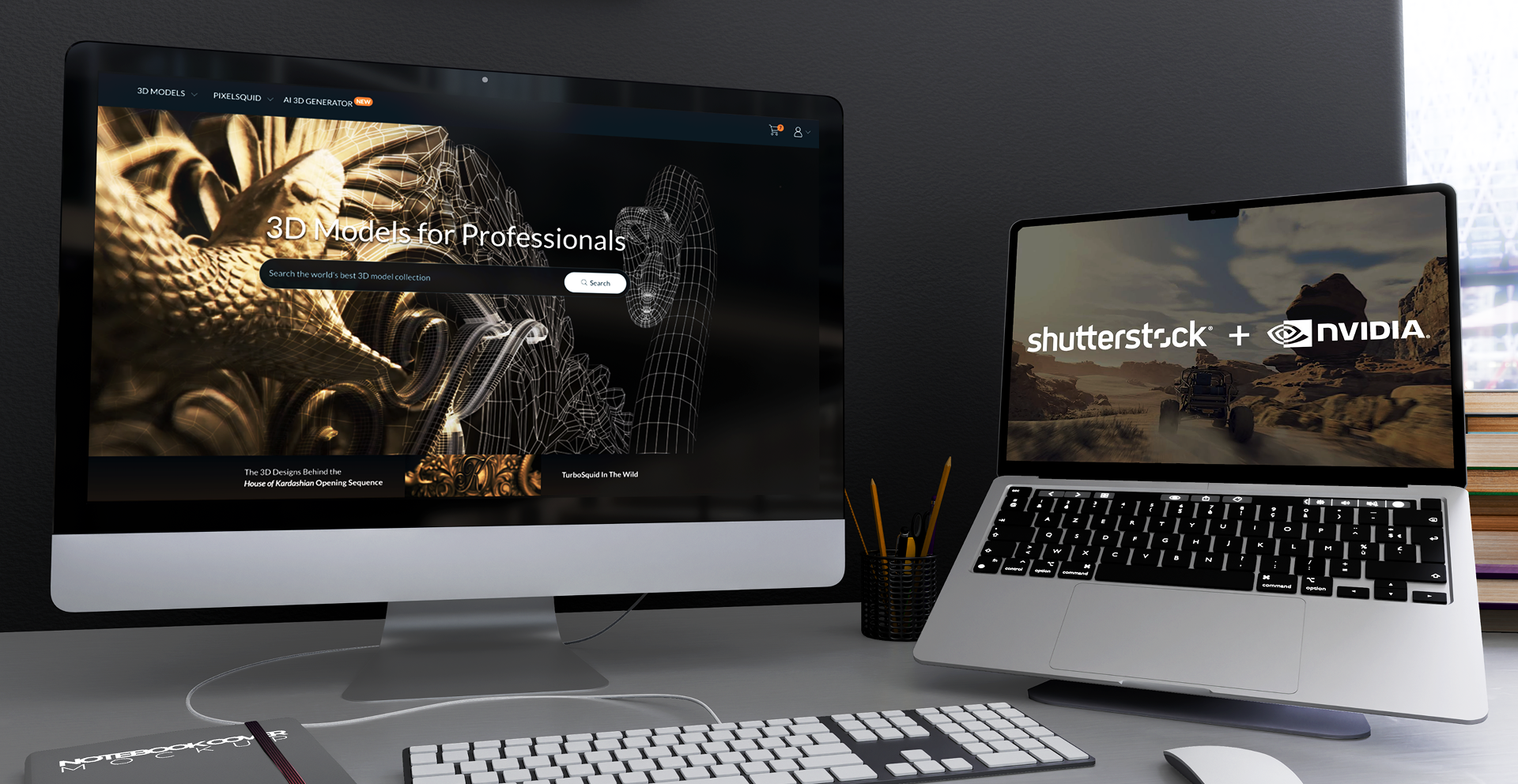
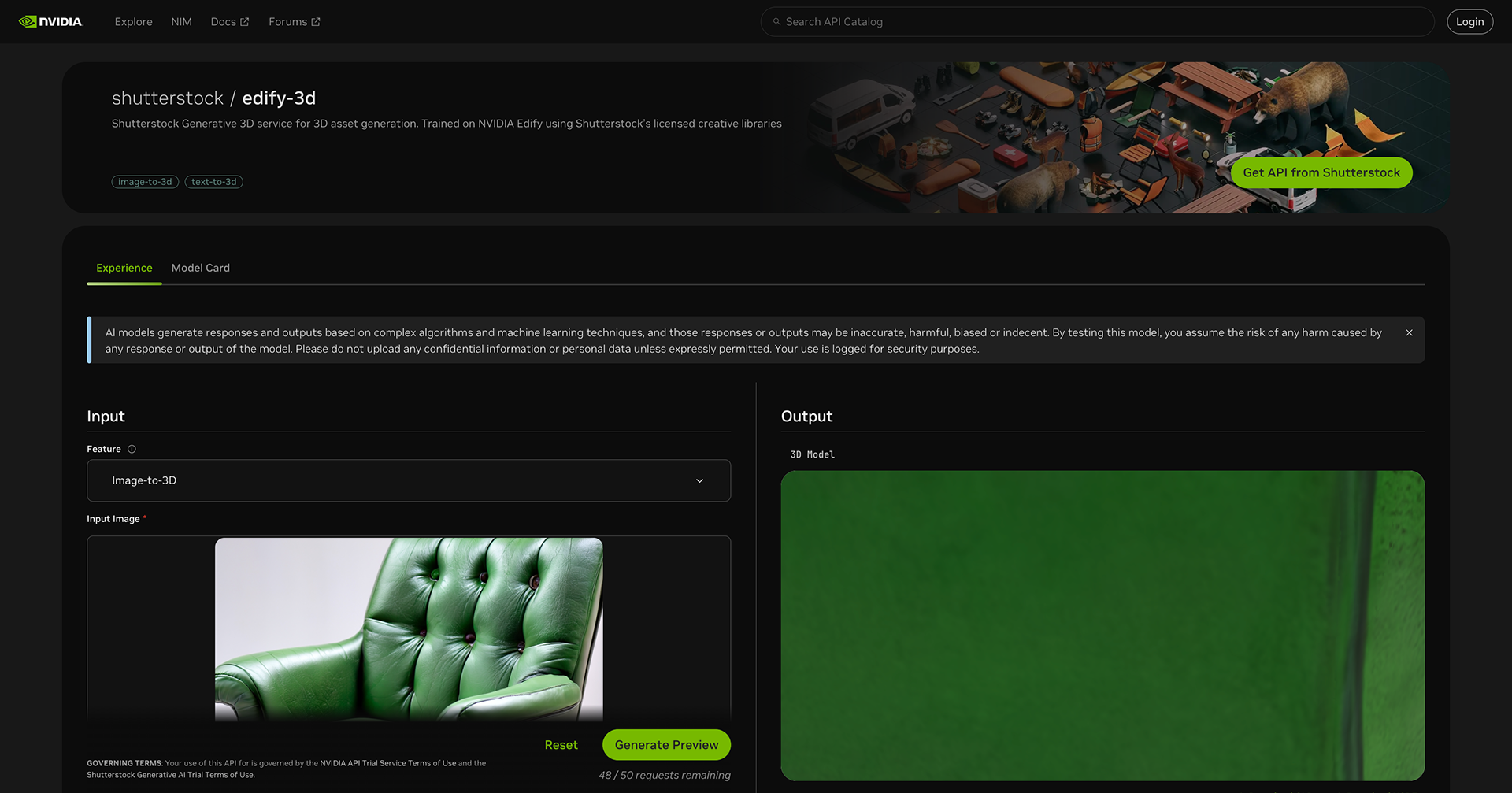
I led the development of Shutterstock x NVIDIA’s branding guidelines and product design for a groundbreaking suite of Generative AI digital products, including a text-to-3D API now leveraged by Shutterstock Studios. This tool was strategically optimized for revenue generation and became a cornerstone of NVIDIA’s expansion into the film and gaming industries. As of 2026, the original core model I helped design is now deprecated as the technology has advanced. Before 2026, the product had evolved into the 3D Guided Generative AI Blueprint (explore here: https://build.nvidia.com/nvidia/genai-3d-guided/blueprintcard). This NVIDIA AI Blueprint enables precise control over generative image creation by arranging scenes in Blender to guide layout, depth, and composition—powered by models like FLUX.1-dev from Black Forest Labs and optimized on NVIDIA GPUs via ComfyUI.
Problem
The central challenge was to prioritize the needs of 3D professionals while accounting for the diverse industries they represent. Whether working with a film production studio, an architectural practice, or an educational institution, the most pressing concern was ensuring that 3D files sourced from TurboSquid and NVIDIA could be seamlessly integrated into existing workflows. Without this interoperability, adoption and trust would falter.
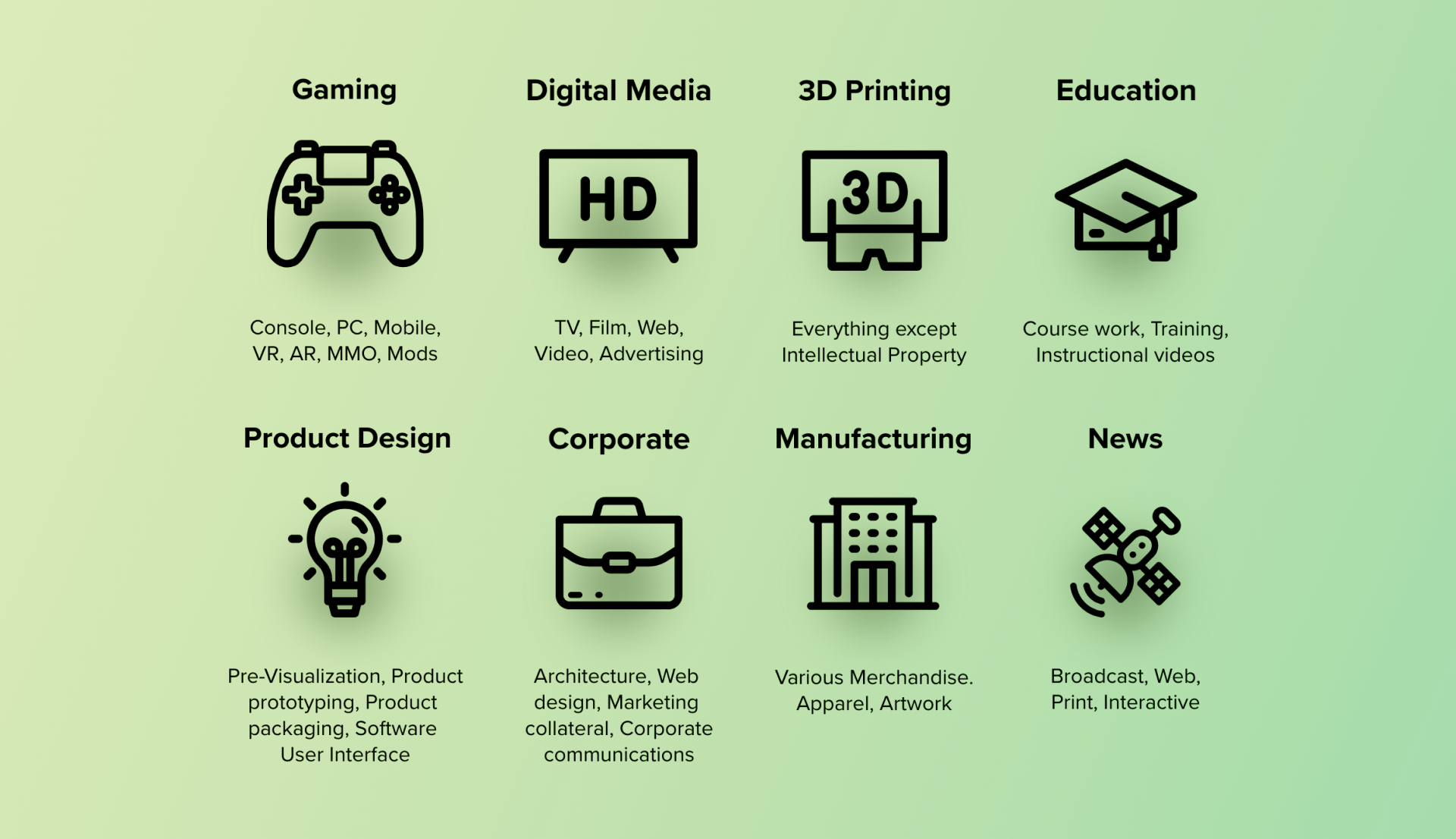
User Research
Through comprehensive UX research and testing, I identified that file format cross-compatibility was the single most urgent requirement for users. This insight reframed the problem as one not only of technical alignment but of trust and usability across multiple professional contexts.
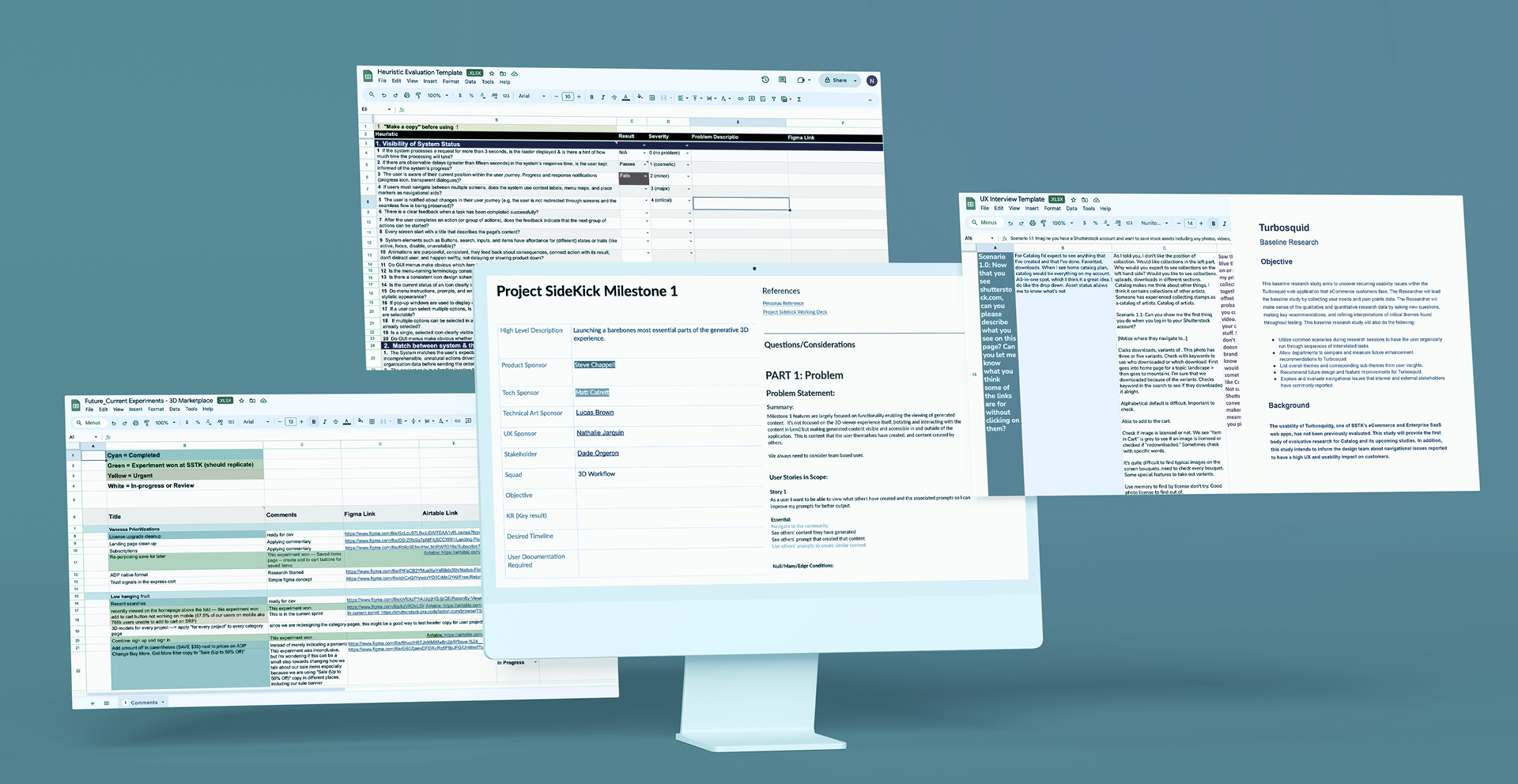
User Flows
We prioritized the needs of 3D users in movie production workflows. Through UX research and testing, we pinpointed file format cross-compatibility as the top requirement, ensuring TurboSquid and NVIDIA assets integrate seamlessly into studio pipelines.
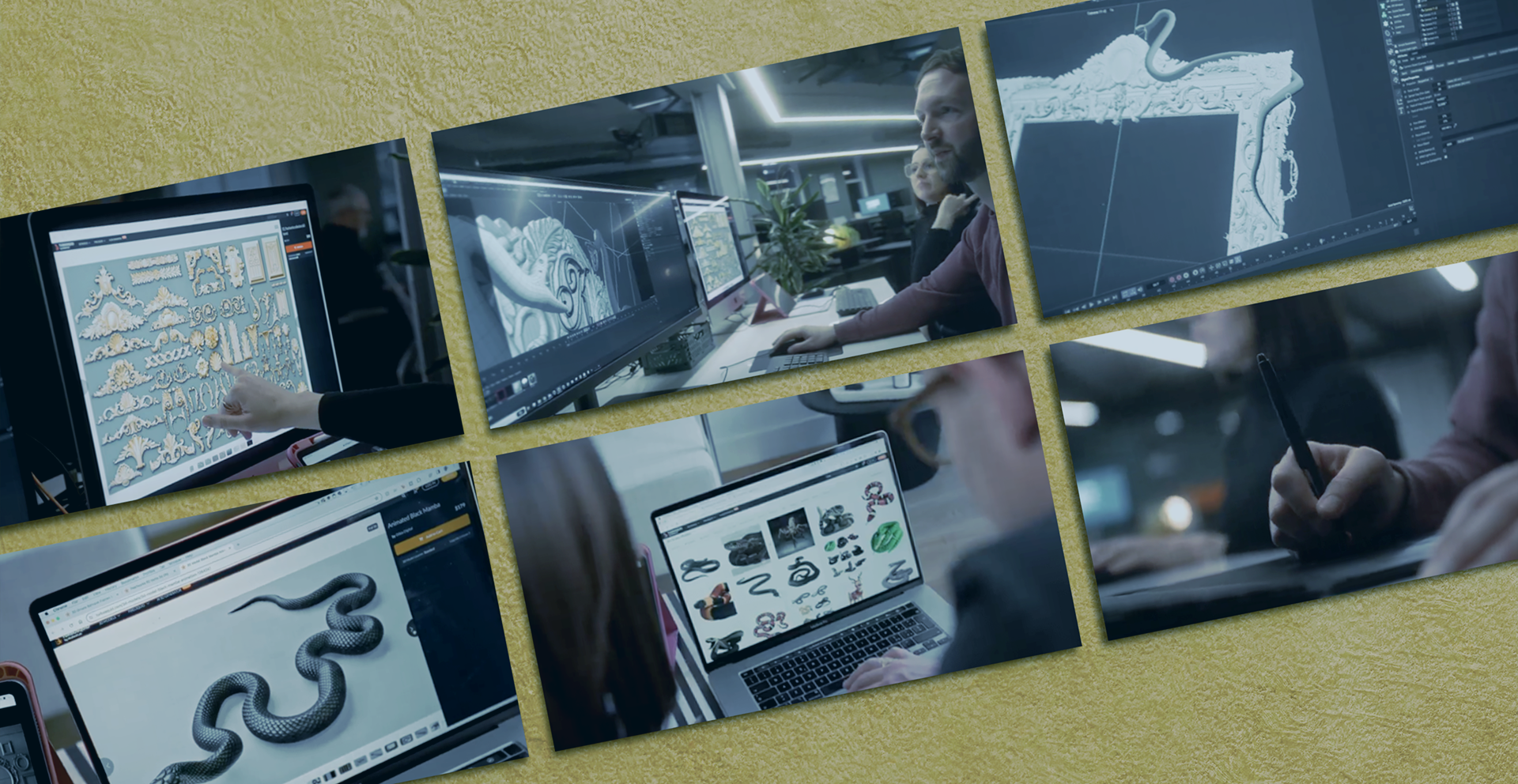
Defining Usability Issues
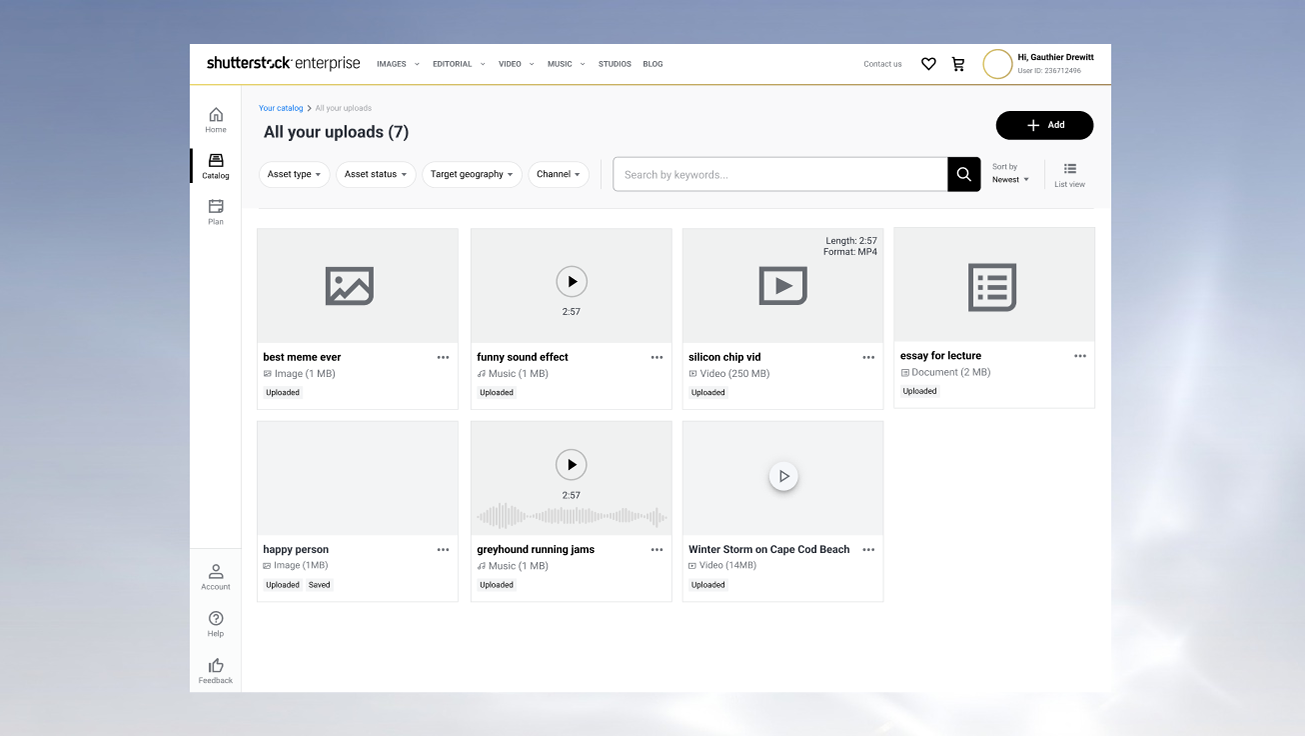
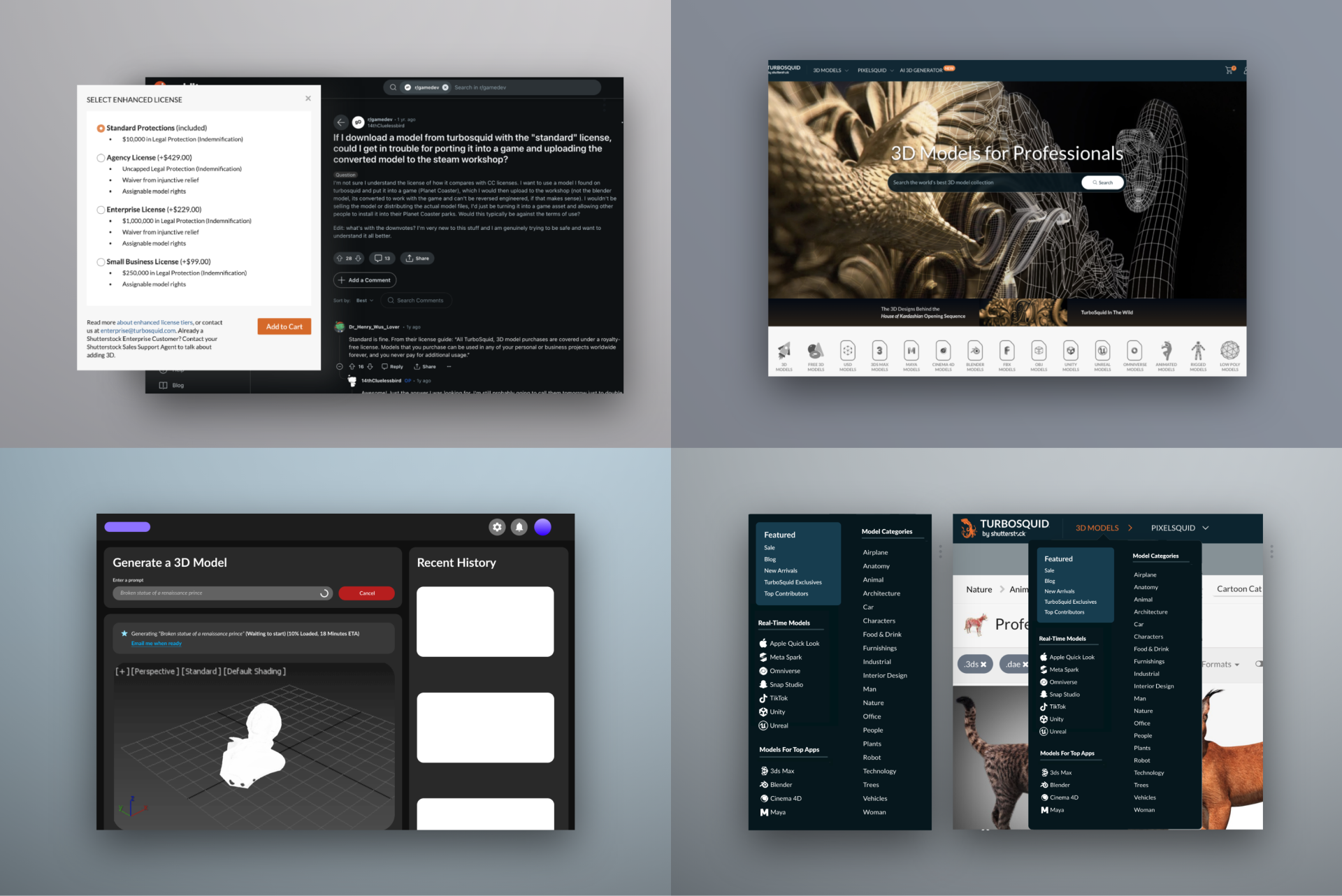
Further testing revealed that while cross-compatibility was essential, even seemingly minor usability issues could derail the user journey. Confusing legal language or unclear file specifications consistently eroded trust and discouraged future engagement. Recognizing this, I reframed the design scope to address not just the core functionality but every point of friction along the journey. To safeguard the overall experience, I meticulously resolved these pain points, establishing consistency, clarity, and confidence across all touchpoints.
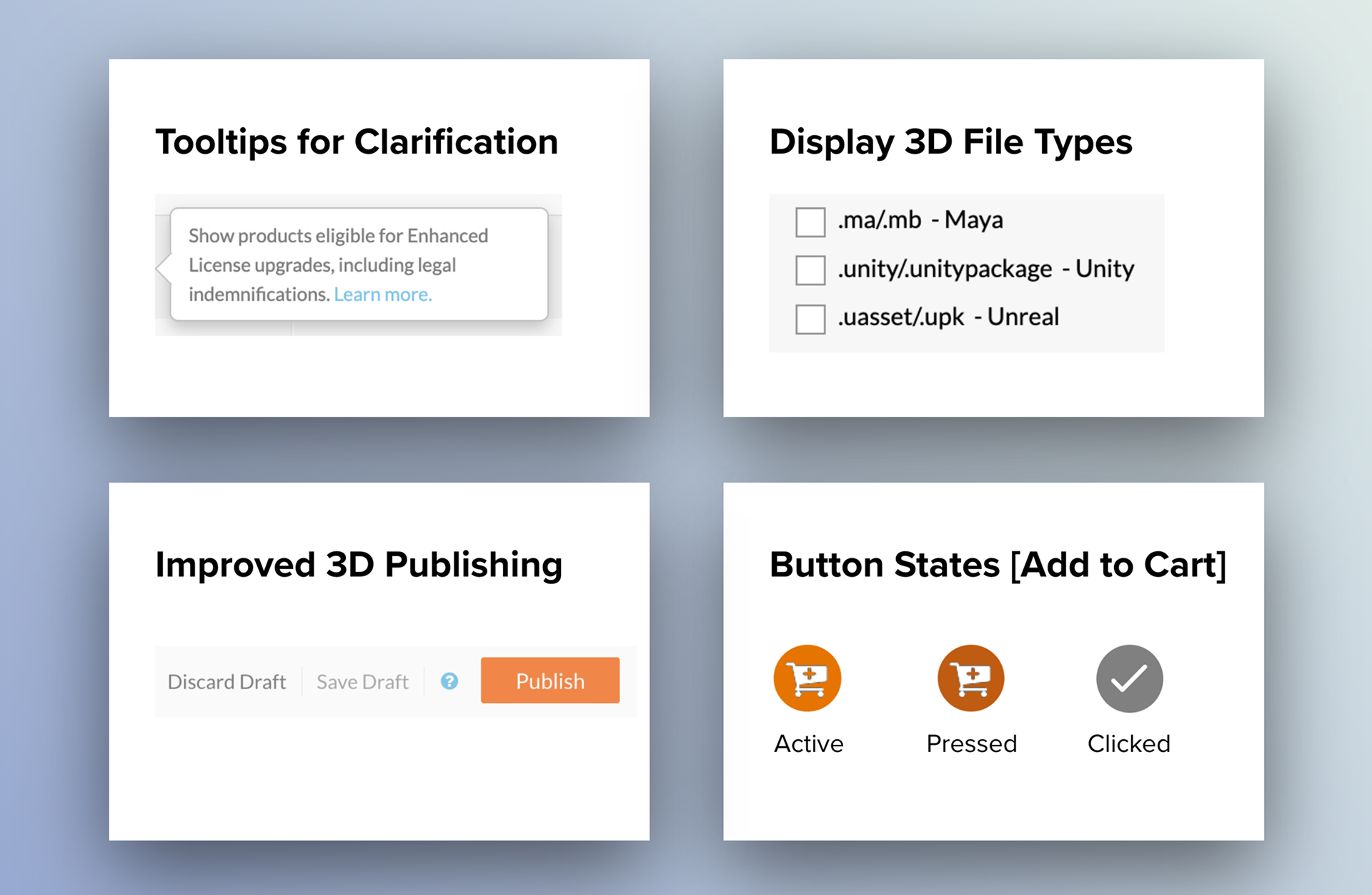
Prioritizing New Features
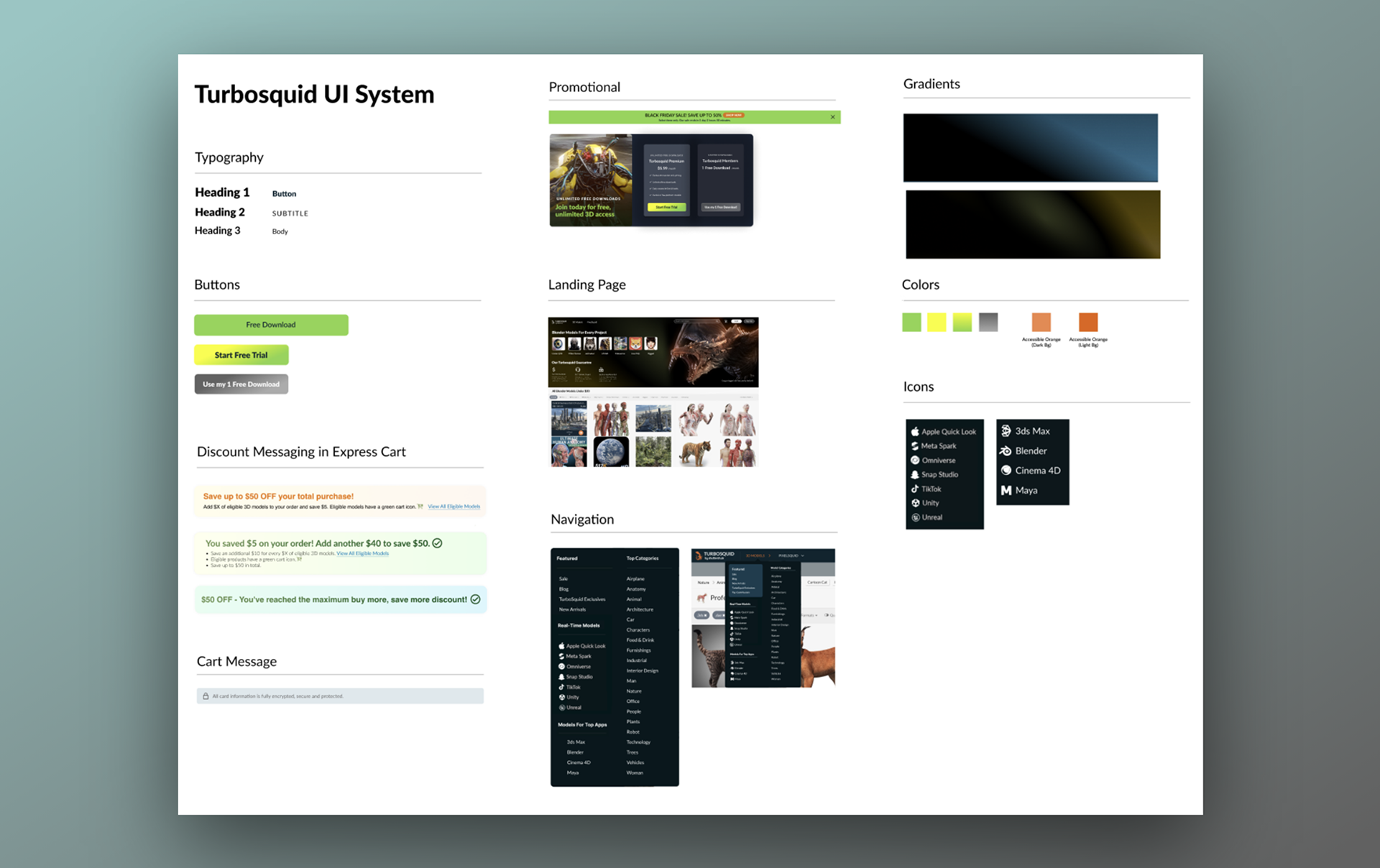
To elevate the experience beyond problem-solving, I introduced new features that reinforced trust while showcasing the platform’s relevance. Legal and file specification barriers were streamlined, while the homepage was reimagined to highlight TurboSquid’s impact in popular media, including its models powering Hulu’s House of Kardashian. This created excitement for filmmakers and demonstrated cultural relevance. I also designed a mega menu that simplified navigation across the vast 3D library and clarified royalty-free licensing terms to support confident purchasing decisions.
3D Gen AI as a Solution
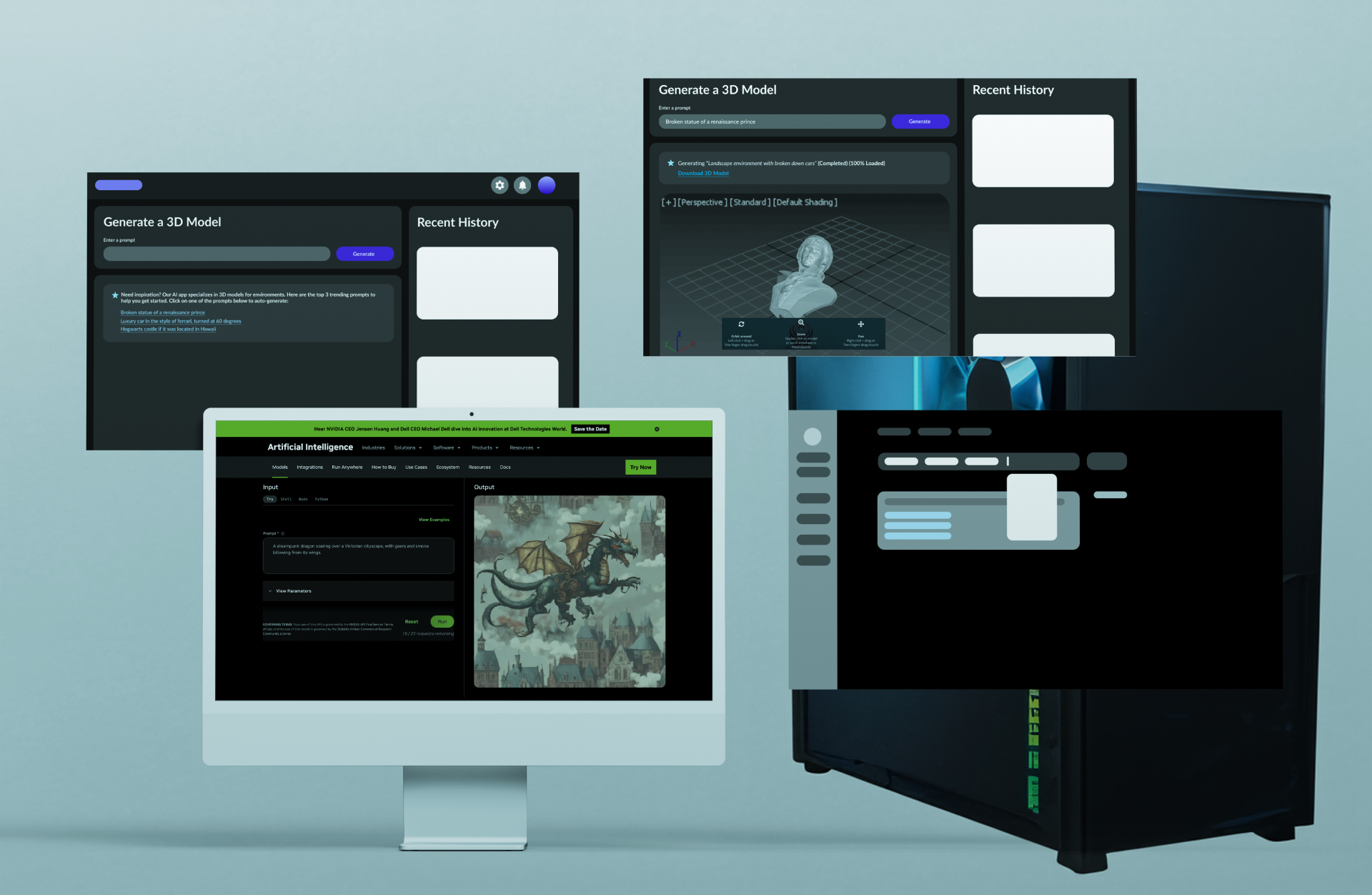
In 2023, at the dawn of the generative AI boom, I partnered with NVIDIA’s Product Innovation team to conceptualize the MVP for Shutterstock x NVIDIA’s 3D Generative AI platform. I designed the first prompting flows for 3D assets, translating an emerging technology into a practical, usable tool. This work positioned us at the forefront of the generative AI movement and set the foundation for the platform’s future adoption.
Prototyping
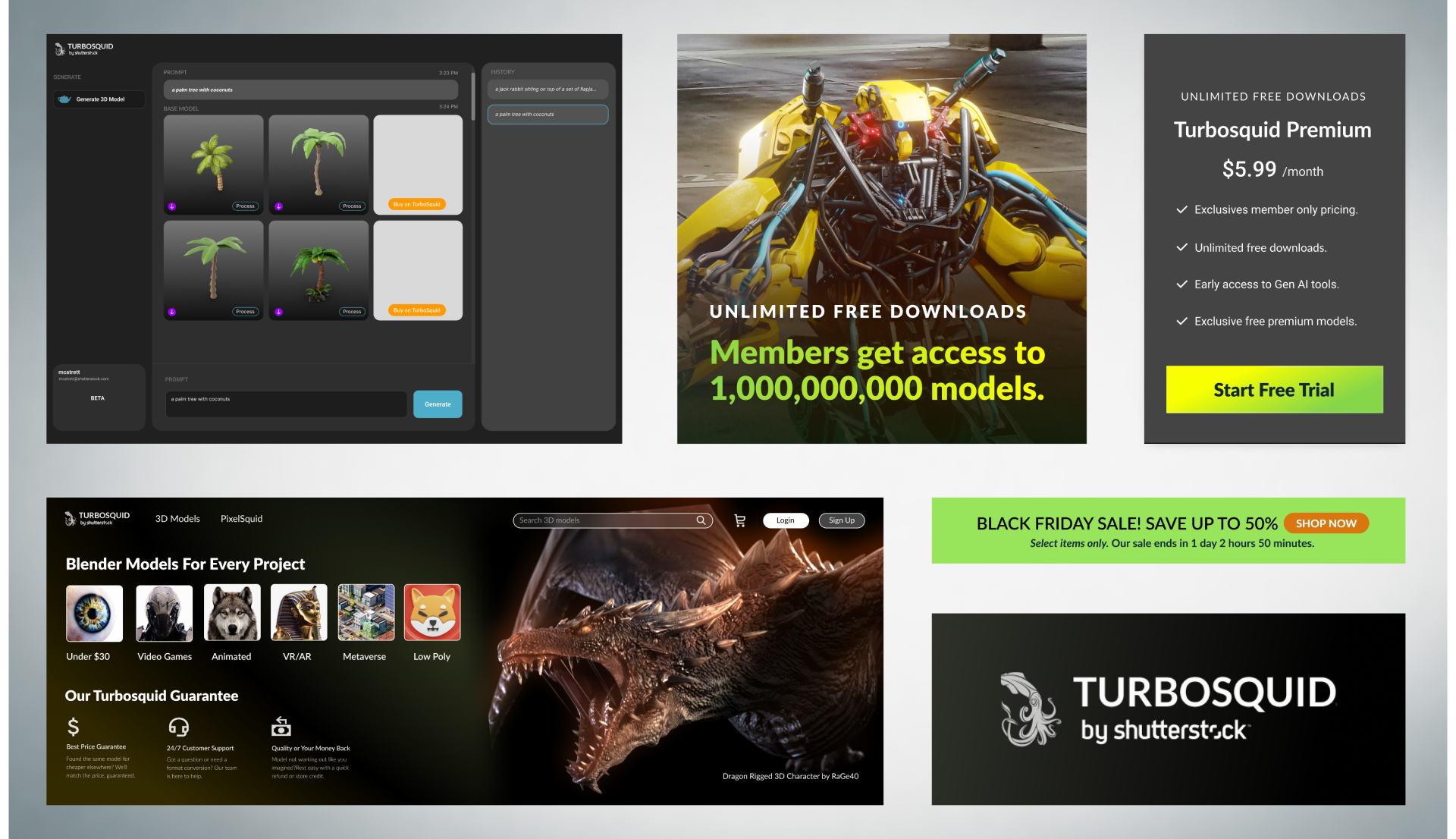
The prototypes reflected TurboSquid’s innovative spirit, powered by NVIDIA’s technology and Shutterstock’s creative ecosystem. By leveraging CRO insights from Shutterstock.com and applying them to the 3D product flows, I successfully tripled conversion rates. These strategies were then adapted to TurboSquid’s rebranded platform under NVIDIA, ensuring a consistent and optimized user experience across products.
User Workflow Integration
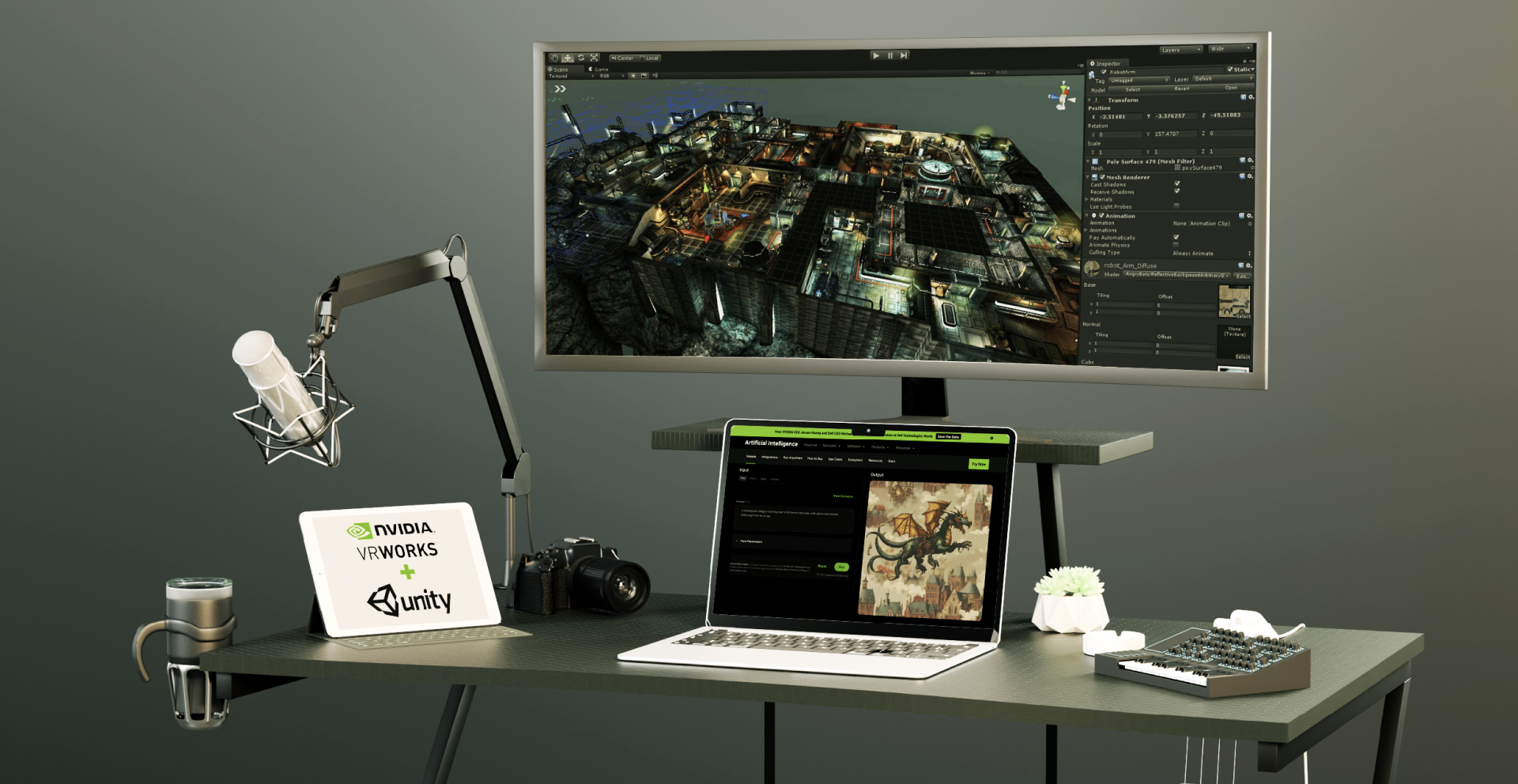
To guarantee long-term adoption, I designed the product to align with OpenUSD, enabling seamless integration into film, manufacturing, and gaming pipelines. This focus on real-world workflows was demonstrated at NVIDIA’s GTC, where visitors generated and 3D-printed models live at the exhibition booth. What once required over forty minutes could now be achieved in under one, providing a tangible and compelling proof of value.
3D Generative AI Product Launch
The product launch was highlighted in the panel Revolutionizing 3D Design: Unlocking New Dimensions with AI Technology, led by Shutterstock’s VP of 3D Innovation alongside NVIDIA. Attendees on the GTC show floor experienced the product firsthand through virtual and physical 3D models, which were printed daily, showcasing both the speed and accessibility of the technology. This milestone underscored how far generative AI for 3D had come in just a short time.
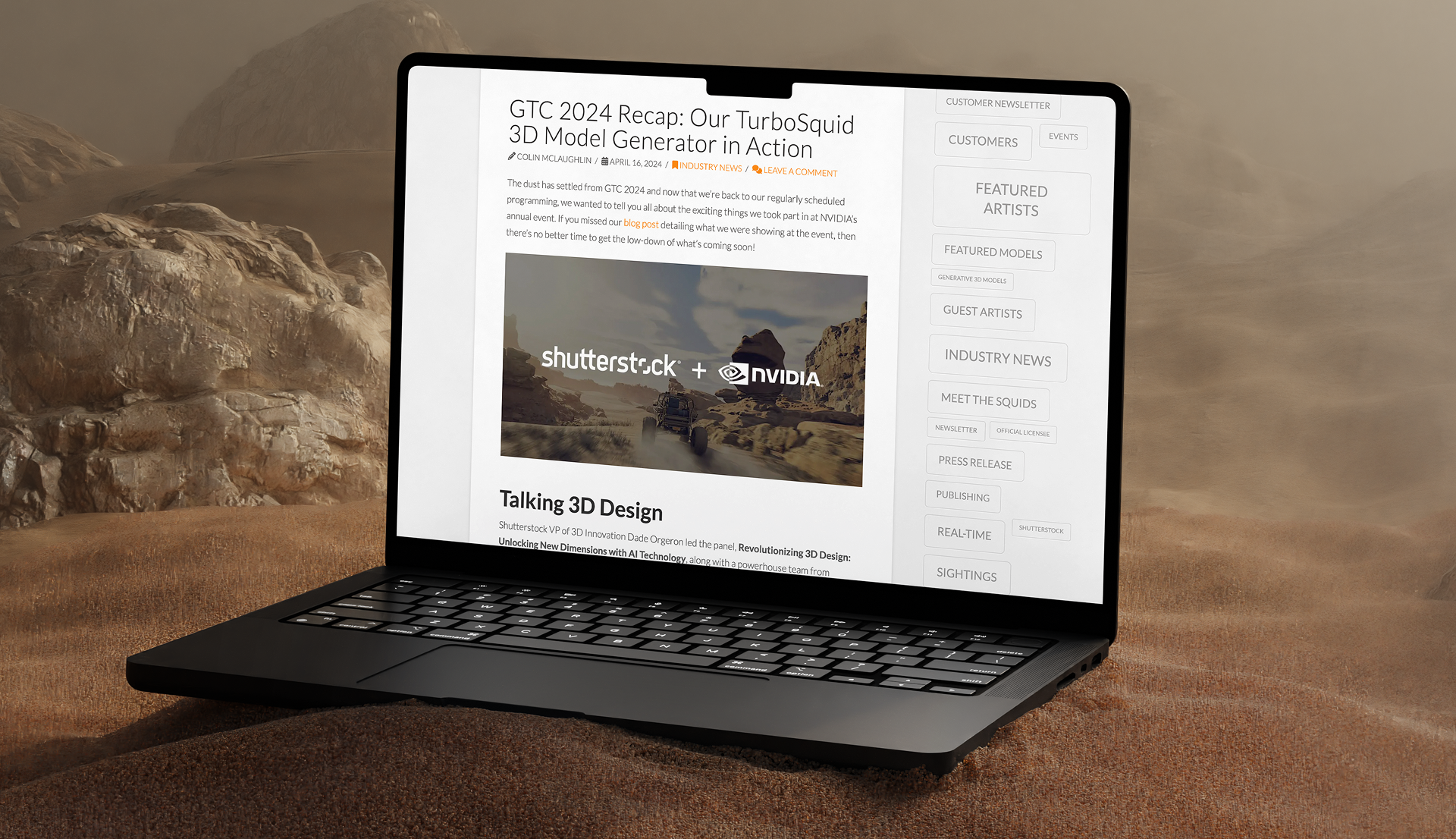
Shutterstock @ NVIDIA GTC
The launch discussion detailed the inception of the AI model, the evolution of the surrounding tools, and the hurdles we overcame in bringing the technology to market. Ethical considerations, the decision to deliver the solution as an API, and its potential to transform the future of 3D design were central themes, positioning NVIDIA and Shutterstock as industry leaders driving the conversation around AI in creative workflows.

Metrics Outcome
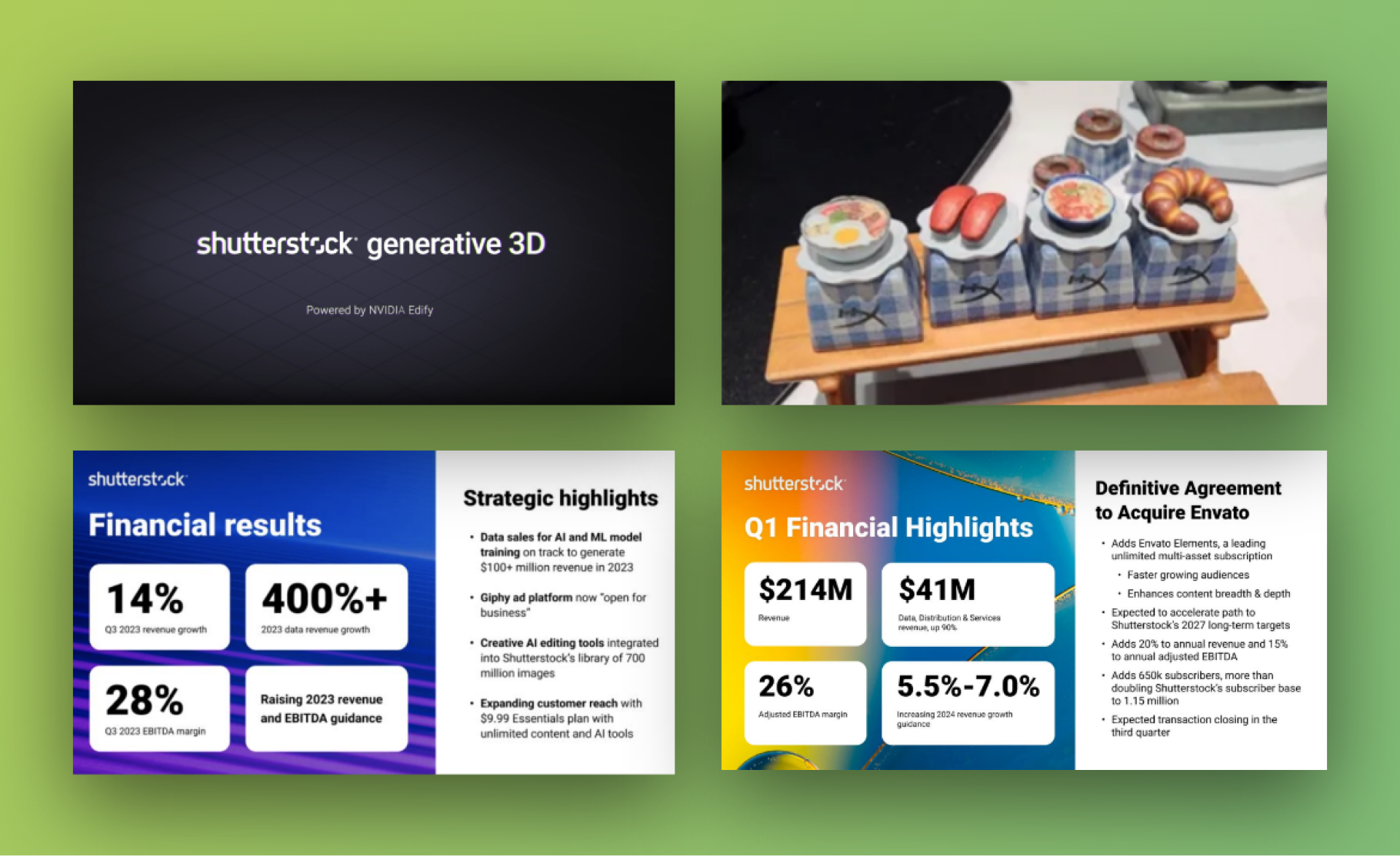
The integration of Generative 3D technology had a measurable impact. Our collaboration with NVIDIA expanded the user base significantly, adding over 100,000 newsletter subscribers and generating $100 million in 2023 through AI and ML data sales and training models, including via Edify 3D. These results validated both the user-focused design strategy and the business case for investment in generative AI.
Future Tests
The success of the MVP created momentum for continued innovation. I spearheaded UX design initiatives that emphasized file compatibility, resolved longstanding usability barriers in legal and specification pages, and introduced revenue-driving features such as a media-focused homepage, an intuitive mega menu, and clearer royalty-free licensing. These enhancements not only boosted purchases but also positioned TurboSquid as a visually compelling leader in 3D content, setting the stage for future explorations in adaptive UX, cross-industry adoption, and creator-first licensing models.
Conclusion
We had the official launch of our generative model API in 2024. So whether you work in Maya or Unreal Engine, or even in places like Roblox, there’s a real possibility you can take advantage of ethical 3D model generation within your preferred tools and platforms.
Please feel free to email me at artwithnathalie@gmail.com if you have any questions.
Please feel free to email me at artwithnathalie@gmail.com if you have any questions.