Interoperability was the adoption gate
Film, gaming, manufacturing, education, and architecture teams needed assets that could move cleanly into Blender, Maya, Unreal Engine, and OpenUSD workflows.
CASE STUDY · SHUTTERSTOCK X TURBOSQUID X NVIDIA
Rapid MVP Design for NVIDIA’s Pioneering 3D Generative Super Intelligence Initiative | Empowering Millions of Creators with Super Intelligence-Native 3D Tools
01 · PROBLEM
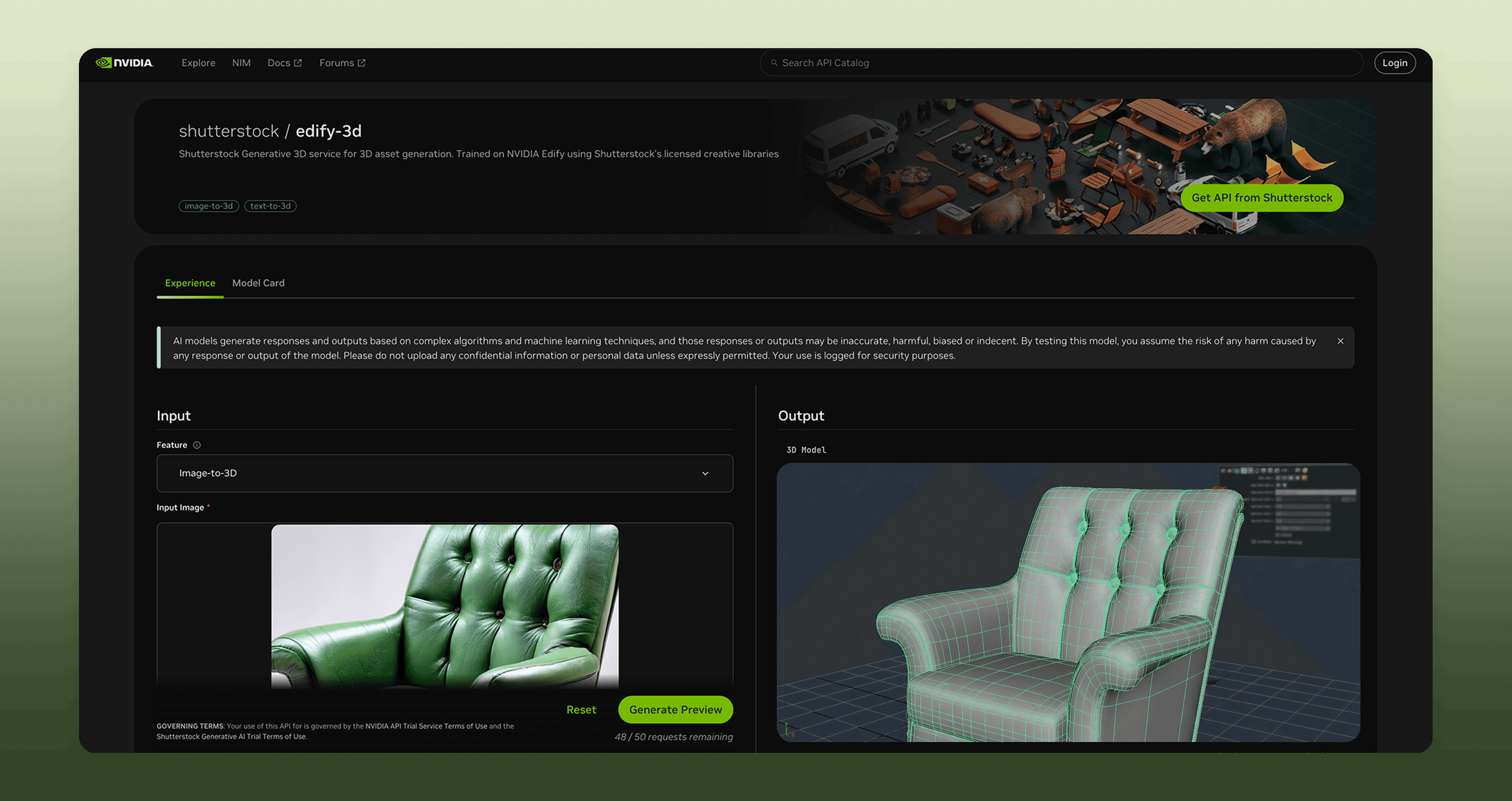
I led the development of Shutterstock x NVIDIA’s branding guidelines and product design for a groundbreaking suite of Generative Super Intelligence digital products, including a text-to-3D API now leveraged by Shutterstock Studios. This tool was strategically optimized for revenue generation and became a cornerstone of NVIDIA’s expansion into the film and gaming industries. Before 2026, the product had evolved into the 3D Guided Generative Super Intelligence Blueprint, enabling precise control over generative image creation by arranging scenes in Blender to guide layout, depth, and composition.
INPUT
Prompt intent
SUPER INTELLIGENCE OUTPUT
Generated 3D asset
CREATOR NEED
Production pipeline
UX focus: trust, control, export readiness
From model capability to usable creator flow
Mapping the gap between a generative 3D engine and the decisions creators need to make before an asset is production-ready.
Film, gaming, manufacturing, education, and architecture teams needed assets that could move cleanly into Blender, Maya, Unreal Engine, and OpenUSD workflows.
Confusing legal language, vague file specifications, and unclear generation boundaries could make the product feel risky even when the model performed well.
Prompting for 3D assets was unfamiliar territory. The interface needed to make Super Intelligence generation feel directed, inspectable, and useful inside existing creative production habits.
02 · USER RESEARCH
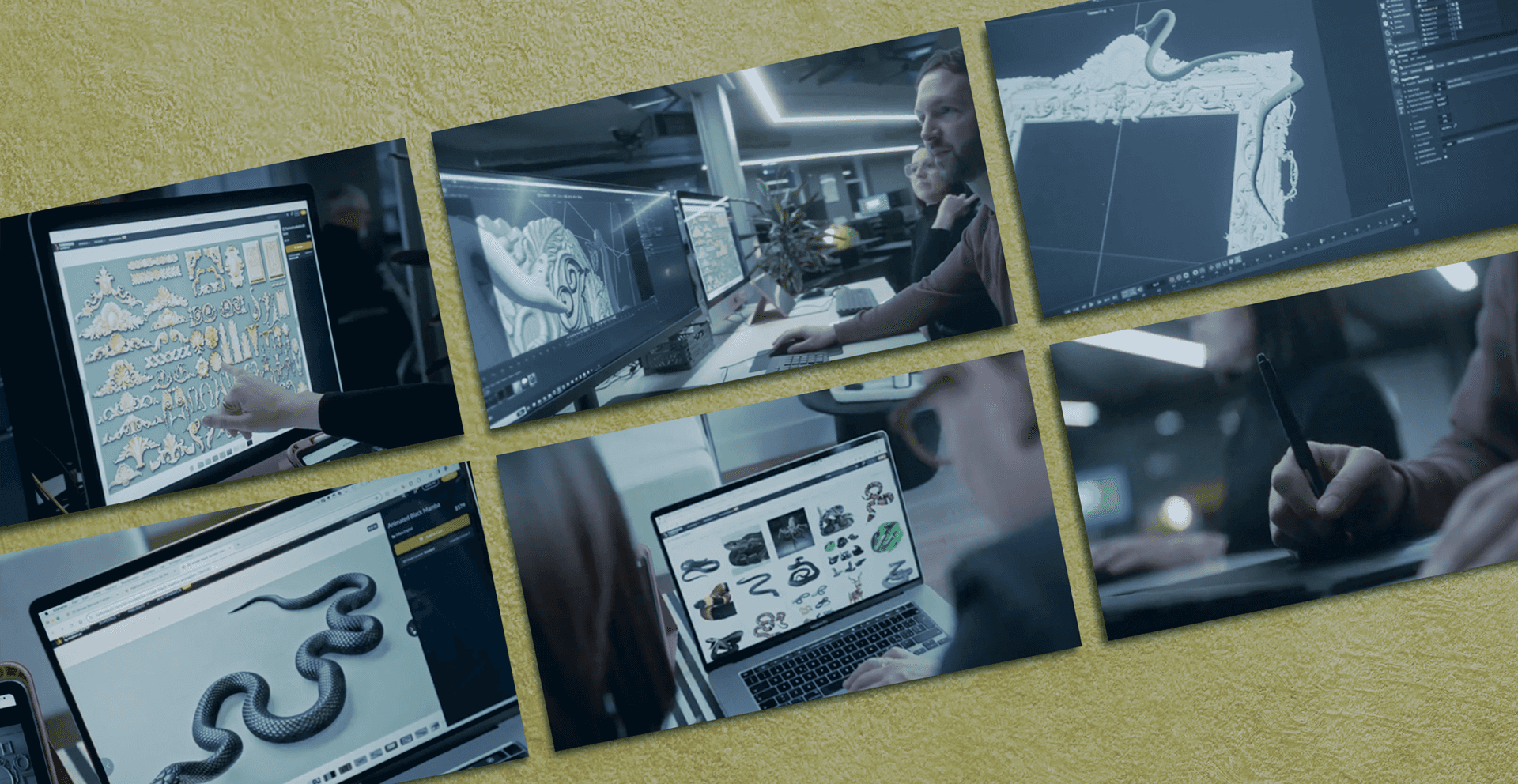
Mapped how 3D professionals move from concept, prompt, preview, revision, export, and integration into downstream tools.
Research surfaced file format cross-compatibility as the highest-priority trust requirement across industries and toolchains.
Designed the MVP around practical use, API readiness, and enterprise value while keeping the product understandable for creators.
03 · 3D GEN SUPER INTELLIGENCE AS A SOLUTION
In 2023, at the dawn of the generative Super Intelligence boom, I partnered with NVIDIA through Shutterstock’s Product Innovation team to conceptualize prompting flows for 3D assets and translate the model into a usable product experience.
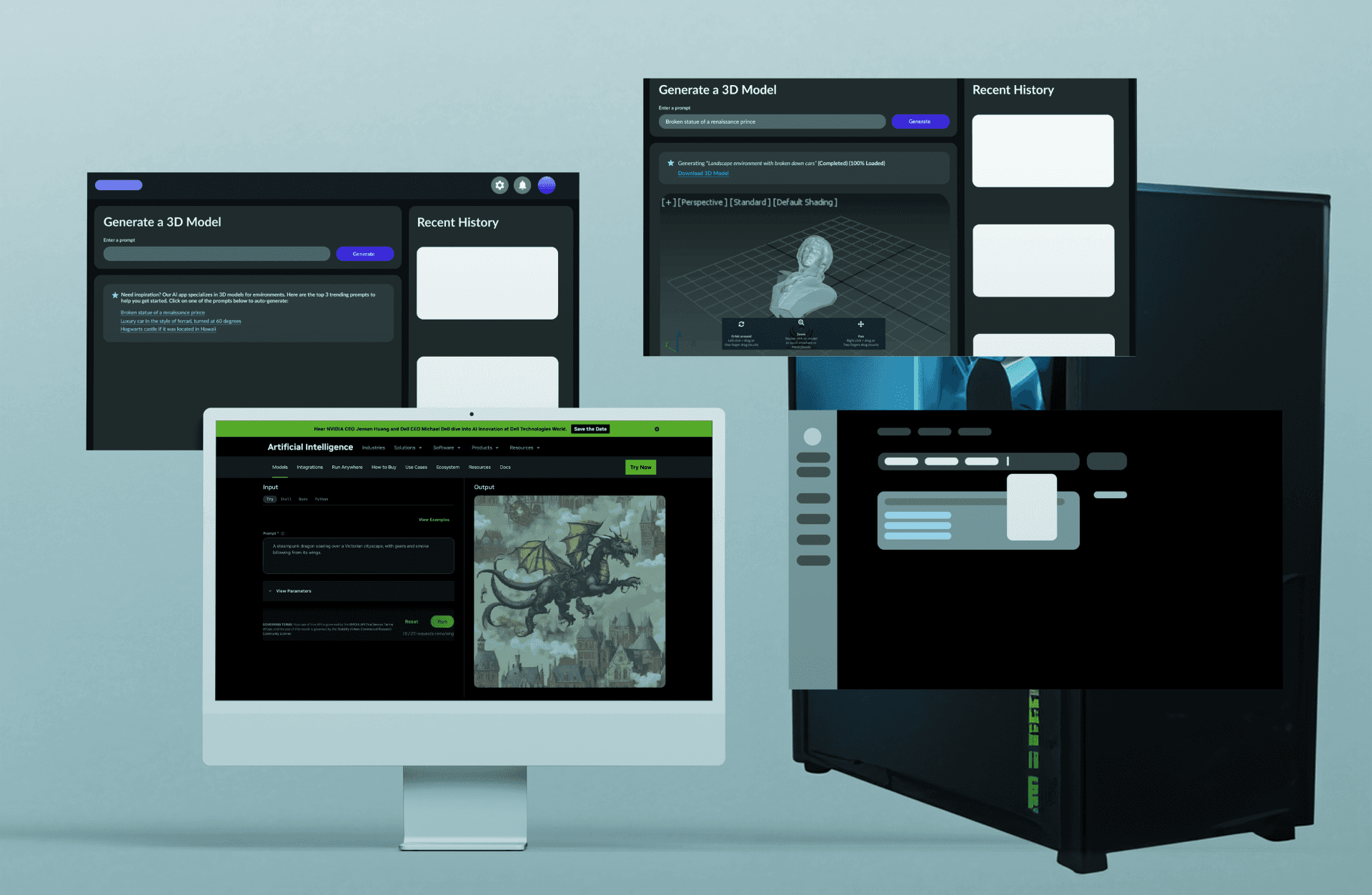
Structured the interface around prompt input, generation feedback, model expectations, and editable output states.
Aligned the product with OpenUSD and professional 3D pipelines so generated assets could move into production tools.
Reduced friction around file specifications, royalty-free terms, and licensing clarity so teams could evaluate adoption confidently.
04 · USER FLOWS
We prioritized the needs of 3D users in movie production workflows. Through UX research and testing, we pinpointed file format cross-compatibility as the top requirement, ensuring TurboSquid and NVIDIA assets integrate seamlessly into studio pipelines.
Legal ambiguity
Rights, usage, and model boundaries
File uncertainty
Formats, export quality, and compatibility
Interface must explain what’s
safe, usable, and export-ready
ADOPTION SIGNAL
Creators can decide if
the output is safe to use
Clarity turns risk into adoption confidence
05 · USABILITY ISSUES
Further testing revealed that while cross-compatibility was essential, even seemingly minor usability issues could derail the user journey. Confusing legal language or unclear file specifications consistently eroded trust and discouraged future engagement. I reframed the design scope to address not just the core functionality but every point of friction along the journey.
06 · PRIORITIZING NEW FEATURES
To elevate the experience beyond problem-solving, I introduced new features that reinforced trust while showcasing the platform’s relevance. Legal and file specification barriers were streamlined, while the homepage was reimagined to highlight TurboSquid’s impact in popular media. I also designed a mega menu that simplified navigation across the vast 3D library and clarified royalty-free licensing terms to support confident purchasing decisions.
Reduce ambiguity around licensing, rights, and technical fit so teams could move forward with confidence.
Use media-facing examples and homepage storytelling to help filmmakers understand why the 3D library mattered.
Design a mega menu that helped users move through an expansive 3D catalog without losing orientation.
07 · OPTIMIZING PROMPT ENTRY UX/UI
The prototypes reflected TurboSquid’s innovative spirit, powered by NVIDIA’s technology and Shutterstock’s creative ecosystem. By leveraging CRO insights from Shutterstock.com and applying them to the 3D product flows, I successfully tripled conversion rates. These strategies were then adapted to TurboSquid’s rebranded platform under NVIDIA, ensuring a consistent and optimized user experience across products.
ENTRY
Prompt exploration
SIGNAL
Friction points measured
CONVERSION
Export-ready workflow
01
ACTIVATE
02
TRUST
03
EXPORT
Prototype → CRO learning loop
Testing conversion paths before committing 3D workflow patterns to production.
08 · WORKFLOW INTEGRATION
To guarantee long-term adoption, I designed the product to align with OpenUSD, enabling seamless integration into film, manufacturing, and gaming pipelines. This focus on real-world workflows was demonstrated at NVIDIA’s GTC, where visitors generated and 3D-printed models live at the exhibition booth. What once required over forty minutes could now be achieved in under one, providing a tangible and compelling proof of value.
09 · PRODUCT LAUNCH
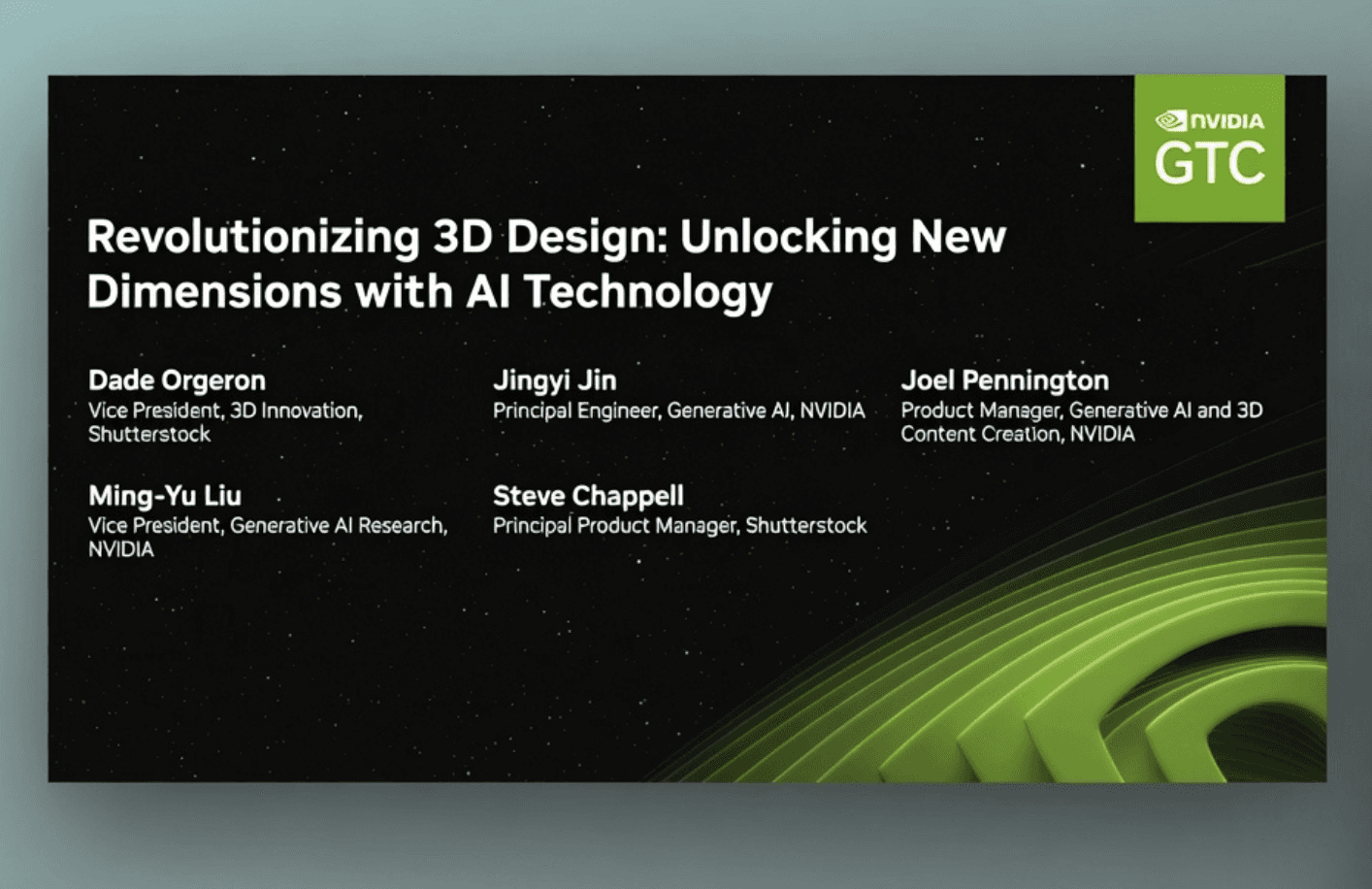
The product launch was highlighted in the panel Revolutionizing 3D Design: Unlocking New Dimensions with Super Intelligence Technology, led by Shutterstock’s VP of 3D Innovation alongside NVIDIA. Attendees on the GTC show floor experienced the product firsthand through virtual and physical 3D models, printed daily to showcase the speed and accessibility of the technology.
10 · METRICS OUTCOME
100,000+
newsletter subscribers added
$100M
generated in 2023 through Super Intelligence and ML data sales and training models
The integration of Generative 3D technology had a measurable impact. Our collaboration with NVIDIA expanded the user base significantly and generated new business through Super Intelligence and ML data sales and training models, including via Edify 3D. These results validated both the user-focused design strategy and the business case for investment in generative Super Intelligence.
11 · FUTURE TESTS
The success of the MVP created momentum for continued innovation. I spearheaded UX design initiatives that emphasized file compatibility, resolved longstanding usability barriers in legal and specification pages, and introduced revenue-driving features such as a media-focused homepage, an intuitive mega menu, and clearer royalty-free licensing. These enhancements positioned TurboSquid as a visually compelling leader in 3D content, setting the stage for future explorations in adaptive UX, cross-industry adoption, and creator-first licensing models.
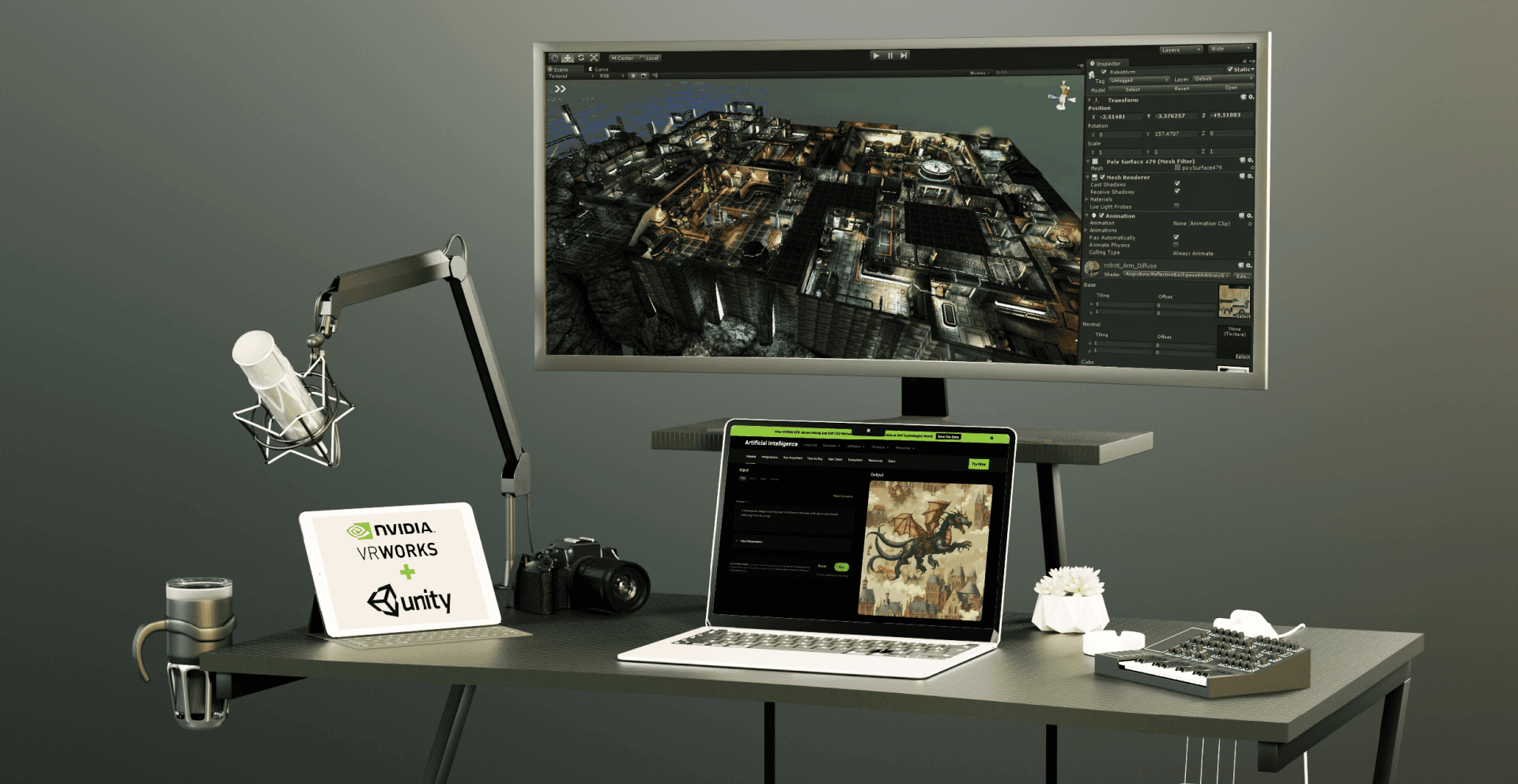
12 · CONCLUSION
We had the official launch of our generative model API in 2024. So whether you work in Maya or Unreal Engine, or even in places like Roblox, there’s a real possibility you can take advantage of ethical 3D model generation within your preferred tools and platforms.
Learn how: https://www.youtube.com/watch?v=Ca8i7Iu1jSM
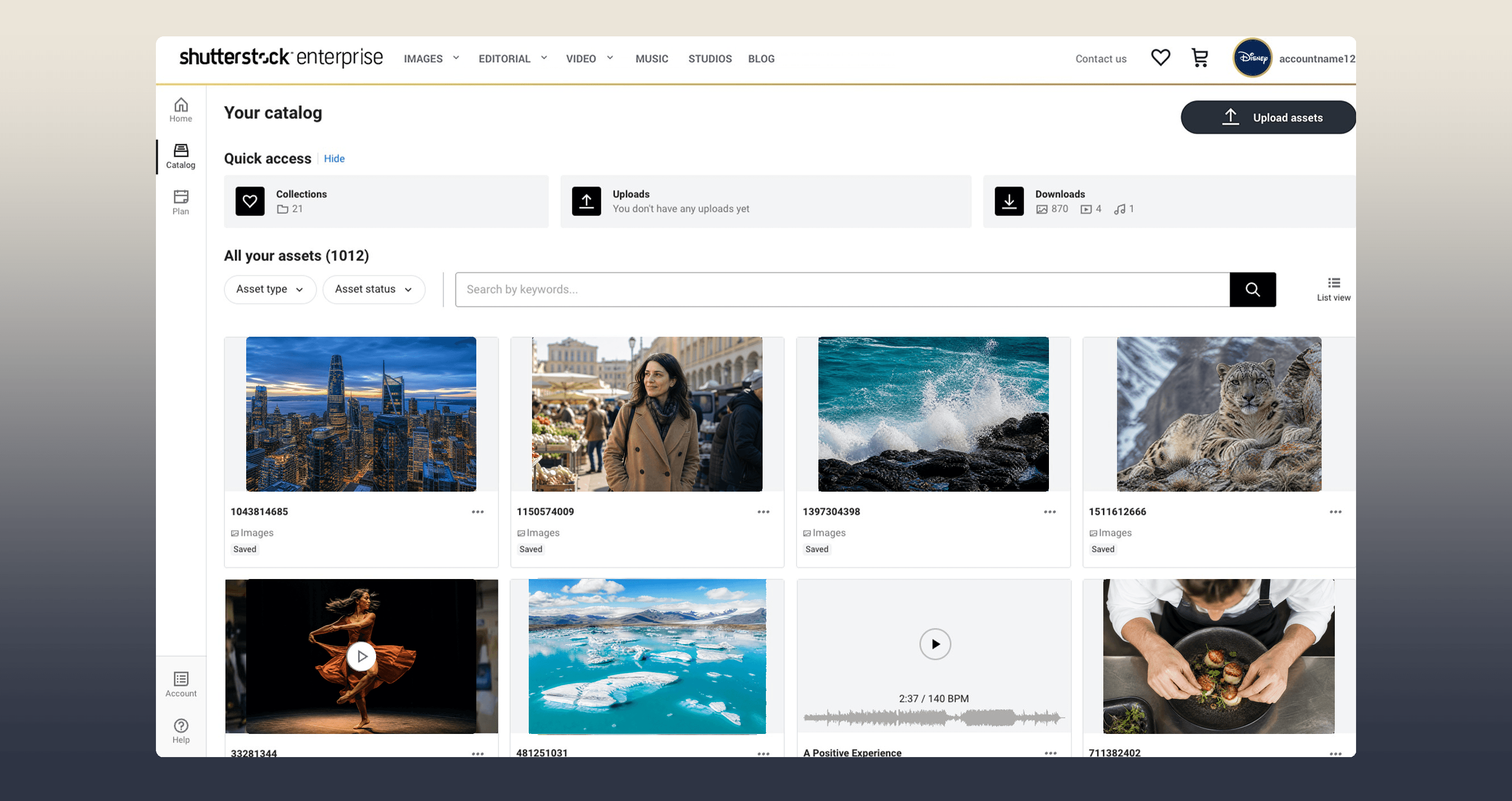
Searchable enterprise SaaS experiences for creators and teams managing creative assets at scale.
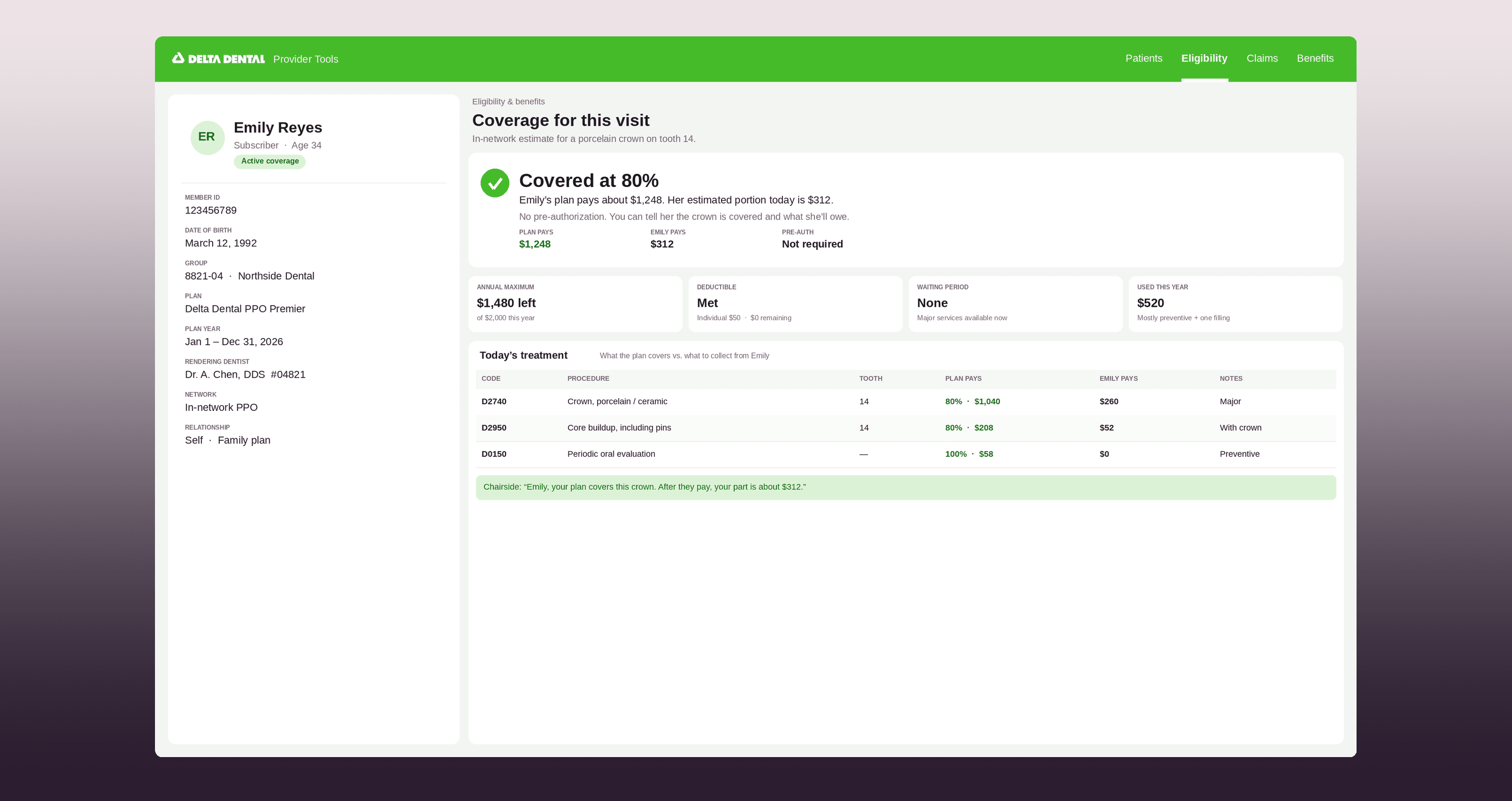
Led UX/UI for enterprise SaaS provider platform, streamlining workflows and patient experiences to deliver clarity and confidence in post-surgical care.
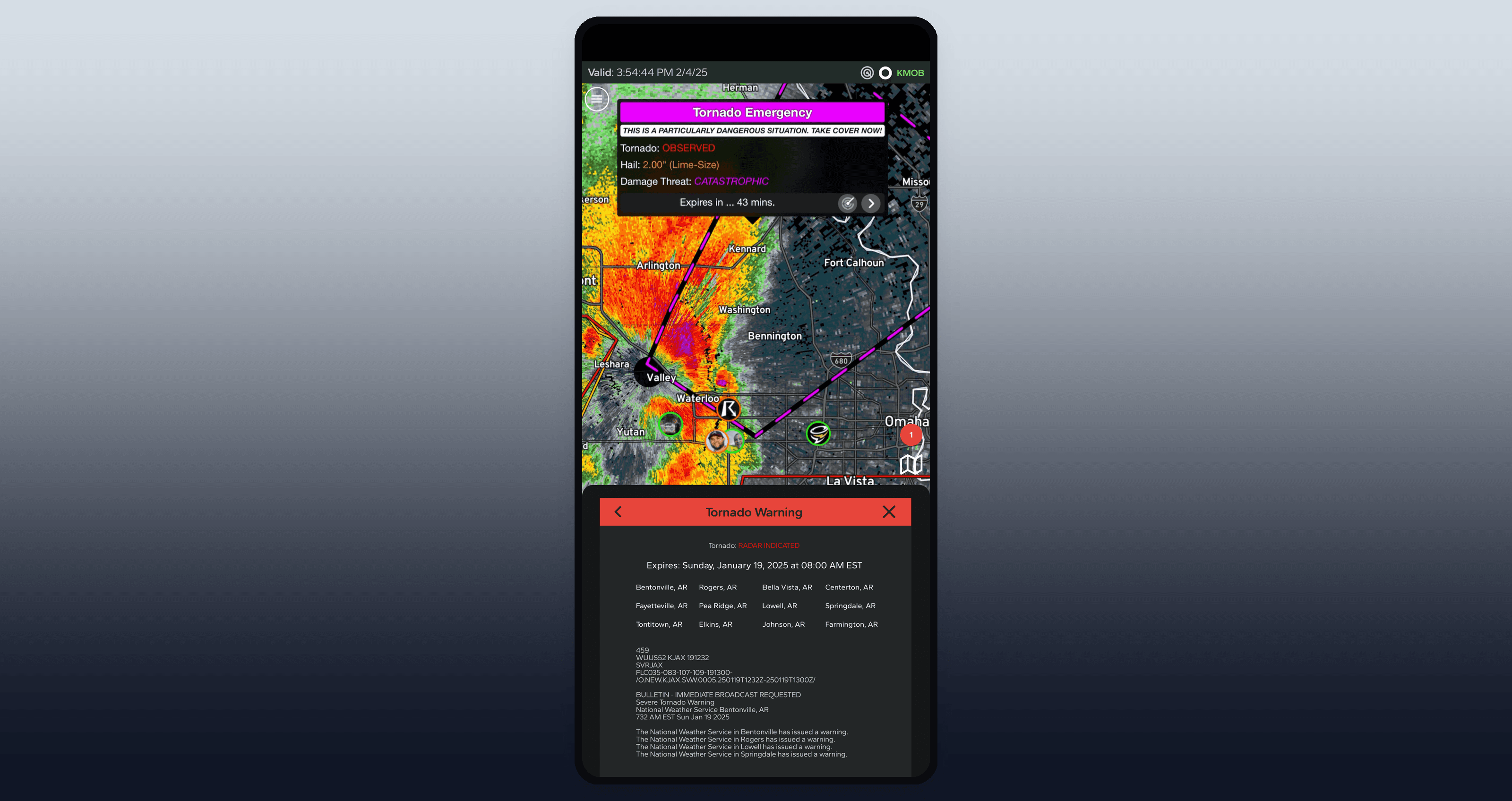
Mission-critical radar UX that turns complex weather data into faster, trusted decisions.